Salak Fruit Facts From the "Snake Fruit" Moniker to Its Remarkable Health Benefits
Published
May 08, 2026
Author
Admin
Updated
5 months ago
Explore intriguing Salak fruit facts, from its unique "snake fruit" nickname and Indonesian origins to its powerful health benefits. Discover why this exotic Indonesian fruit is gaining worldwide popularity.
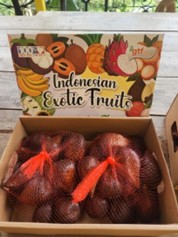
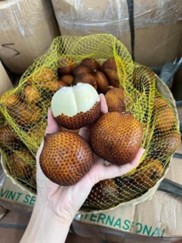
Salak fruit facts often capture international attention, primarily due to the fruit's unusual appearance and its global nickname: the "snake fruit." This title is well-earned; the skin of the salak features a scaly texture that closely resembles a snake's skin, making it look distinctly exotic compared to other tropical fruits.
However, the allure of the salak extends far beyond its skin. This fruit is celebrated for its signature flavor a perfect blend of sweetness with a hint of acidity and a refreshing, crunchy texture. It is no surprise that this exotic Indonesian fruit is becoming a highly sought-after commodity in the global marketplace. As demand continues to climb, the salak is evolving from a local staple into a high-value export. Understanding the history, origin, and nutritional value of this fruit is essential to recognizing its immense future potential.
The Origins and Spread of Salak Across Southeast Asia
Salak fruit facts reveal that this species originated in Indonesia, specifically in the southern regions of Java and Sumatra. Long before it was commercially cultivated, salak grew wild in tropical rainforests. Over time, cultivation techniques advanced, and the fruit spread throughout Southeast Asia, reaching countries such as Malaysia, Thailand, and the Philippines. Despite its regional spread, Indonesia remains the primary global hub for salak production and varietal diversity.
A Wealth of Salak Varieties
One of the most fascinating aspects of the salak is the sheer number of varieties available. In Indonesia alone, there are dozens of types, with some of the most popular being:
Salak Pondoh: Famous for its pure sweetness without any astringency.
Salak Bali: Known for its denser texture and rich, savory-sweet flavor.
Salak Sidempuan: A balanced variety offering a mix of sweet and sour notes.
Additionally, local premium varieties like Salak Manonjaya from Tasikmalaya are highly regarded for their intense sweetness. This biological diversity is a major strength of Indonesia’s exotic fruit industry.
Why Salak is Known Globally as the "Snake Fruit"
While its distinctive name often sparks curiosity among international consumers, the true allure of salak lies in its remarkable aesthetic and sensory qualities. Understanding the unique biology of this fruit reveals why it has become a fascination for both culinary enthusiasts and exotic fruit collectors alike.
Physical Characteristics and Appeal
The unique shape and physical characteristics of the snake fruit..jpg19.23 KBThe most striking feature of the salak is its conical shape with a tapered tip. The skin is a reddish-brown hue, covered in small, hard scales that are instantly recognizable. Beneath this rough exterior lies a yellowish-white pulp divided into segments, bearing a resemblance to large cloves of garlic. The texture is firm and juicy, providing a sensory experience that differs from most other tropical fruits.
The "Snake Fruit" Brand
The term "snake fruit" has become the fruit's global identity. Far from being a deterrent, this nickname acts as a powerful marketing tool in international markets. Overseas consumers are often intrigued by the fruit's reptilian appearance, which leads them to discover its delicious taste. By branding it as the snake fruit, Indonesia has successfully introduced this exotic commodity to high-value export markets.
Nutritional Profile and Health Benefits
The global appeal of salak extends far beyond its exotic appearance, as it is increasingly recognized for its impressive medicinal and dietary properties. To understand the profound health benefits associated with this fruit, it is necessary to examine the specific biological compounds that contribute to its status as a functional superfood.
The Vital Nutrients of Salak
Beyond its visual appeal, the salak is a nutritional powerhouse. Key nutrients found in the fruit include:
Vitamin C: Essential for immune function.
Beta-carotene: A powerful antioxidant for eye health.
Fiber: Crucial for digestive regularity.
Antioxidants: To combat oxidative stress.
Minerals: Including significant amounts of potassium and iron.
Key Health Benefits
The medicinal and nutritional benefits of salak are highly relevant to today's health-conscious lifestyles:
Boosting the Immune System
The high Vitamin C content in salak strengthens the body’s natural defenses, protecting against infections and neutralizing free radicals.
Supporting Eye Health
Rich in beta-carotene, salak plays a vital role in maintaining vision and reducing the risk of age-related eye disorders like cataracts.
Improving Digestive Health
The natural fiber in salak aids in smooth digestion and prevents constipation, making it an excellent fruit for gut health when consumed regularly.
Assisting in Weight Management
The high fiber content provides a lasting feeling of fullness, which can help control appetite and support healthy weight-loss goals.
Increasing Daily Energy Levels
With its natural carbohydrate content, salak serves as an excellent source of instant energy, making it an ideal healthy snack.
Snake Fruit as a Premium Indonesian Export
The transition of salak from a regional specialty to a premium international commodity marks a significant milestone for Indonesia’s agricultural sector. This evolution is driven not only by the fruit's unique profile but also by a shift in global consumer preferences toward exotic, health-oriented produce, which has opened new doors across various continents.
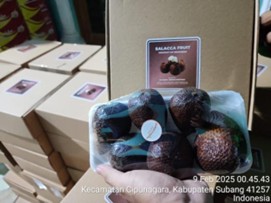
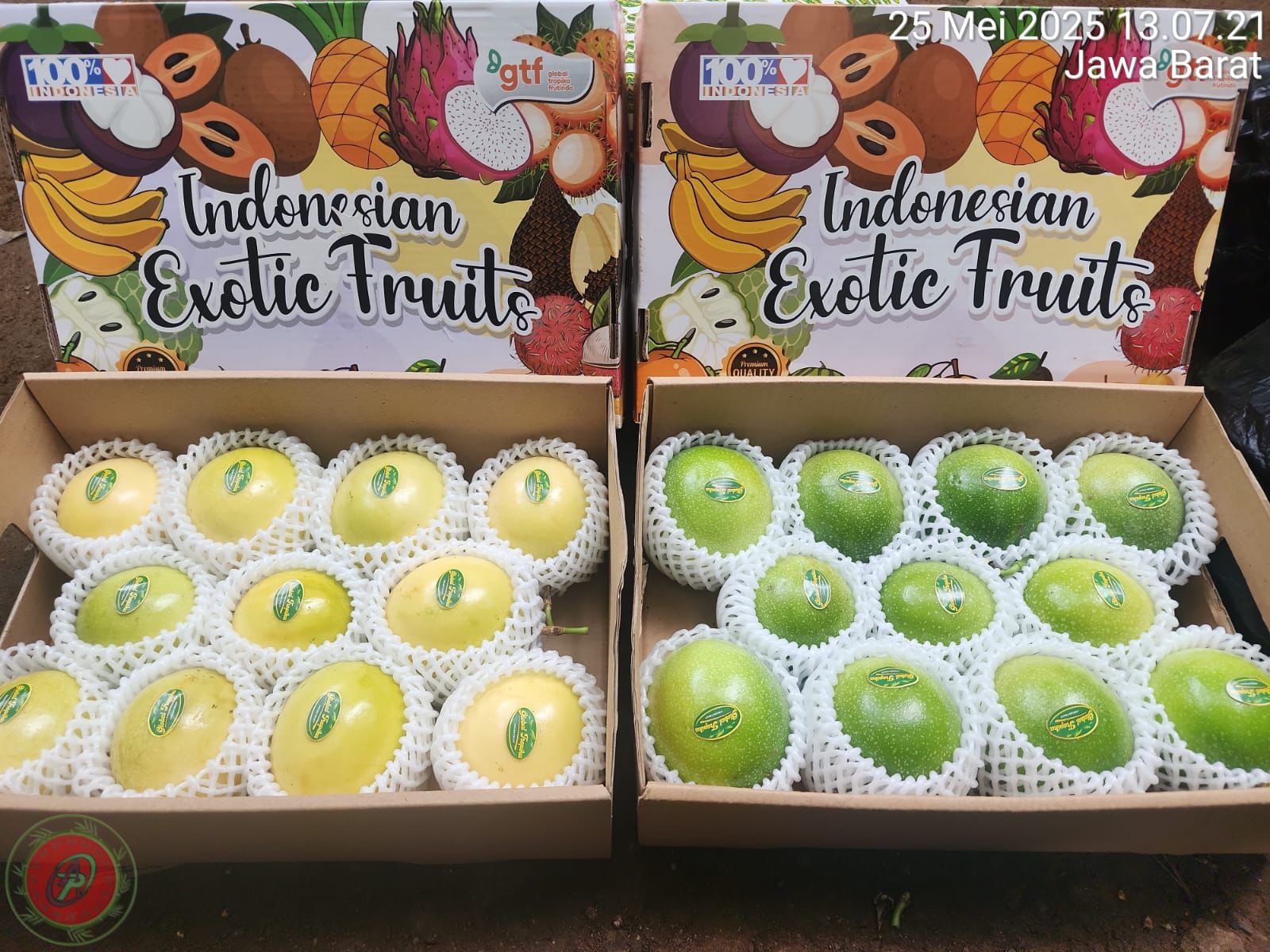
Rising International DemandSnake fruit as a premium Indonesian export commodity for the global market.jpg18 KBIn recent years, the demand for exotic Indonesian fruits, particularly salak, has seen significant growth. Countries like China have shown a high interest in importing the fruit, creating massive opportunities for Indonesian agribusinesses and exporters. By maintaining rigorous quality controls and export standards, salak can compete effectively with other established tropical fruits.
Economic Impact on Farmers and Industry
The development of salak as an export commodity does more than just increase national foreign exchange; it directly benefits local farmers. Higher international prices lead to improved welfare for farming communities. Furthermore, the processing industry—producing salak chips, sweets, and other value-added products—continues to grow, strengthening the entire economic chain.
Tips for Optimal Consumption
To maximize the health benefits of salak, consider the following tips:
Consume in moderation, typically 2–3 fruits per day.
Select ripe fruits with a fresh, fragrant aroma.
Avoid excessive consumption to prevent potential digestive discomfort.
The many Salak fruit facts discussed here demonstrate that this fruit is much more than a traditional snack; it is a premier commodity with massive global potential. From its captivating "snake fruit" persona and deep Indonesian roots to its unique flavor and dense nutrient profile, the salak has everything it takes to succeed on the world stage. As international demand grows, the salak continues to solidify its position as a high-value exotic fruit, bringing health benefits to consumers and prosperity to the people of Indonesia.
Come as partners.
Leave as growth collaborators.
Let’s connect and build something meaningful together.